01
Academic drive
Daniel earned a 4.75 GPA and hosted his school’s chemistry club, which was chartered through the American Chemical Society. The experience gave his interest in chemistry a shared setting: a place to organize, discuss, and explore scientific ideas with other students.
That combination of strong academics and hands-on curiosity became the foundation for later work in laboratory quality, scientific computing, instrumentation, biotechnology, and engineering. The through-line was already visible—learn the theory, then find a practical way to test or build around it.
02
Sharing science in high school
The 2018 Celebrating High School Innovators profile describes Daniel as a junior at Morton High School with a research office in Morton, Illinois. He shared live science experiments online, drawing thousands of views, with the aim of encouraging young people to explore science together.
In that profile, Daniel traced his interest in chemistry to a classroom experiment separating sand, iron, and salt. The experience of discovery encouraged him to pursue scientific research and share what he was learning.
03
2018 student innovator award
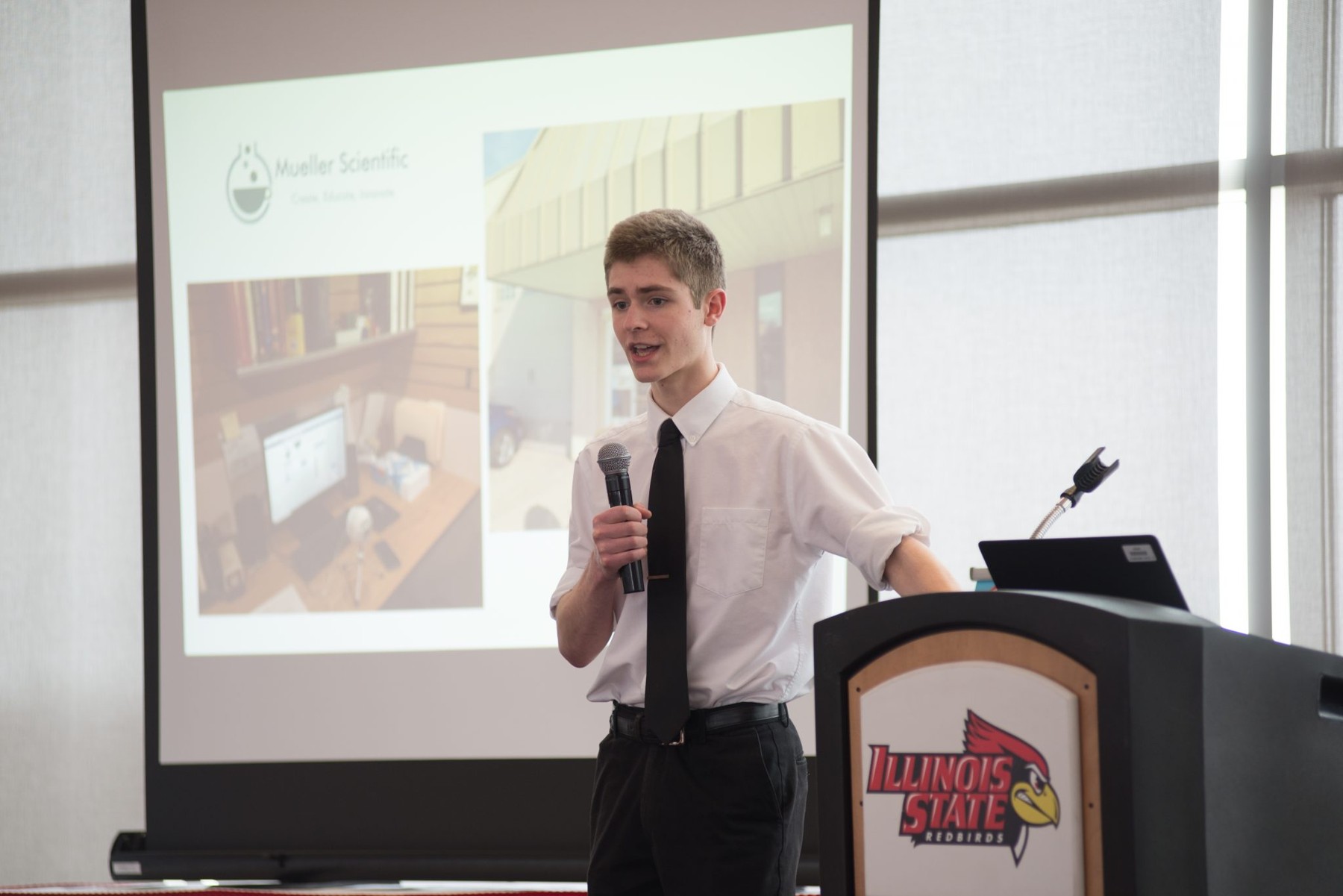
An April 8, 2018 announcement named Daniel Mueller among the Celebrating High School Innovators award winners. It identified him as a Morton High School STEM student and recognized his online science and chemistry tutorial videos for students and the public.
Illinois State University, Millikin University, and Pontiac Township High School organized the competition. The final event took place at Illinois State University in Normal, Illinois, bringing together students to present and discuss their innovations.
04
Recognition in Morton
At the May 21, 2018 meeting of the Morton Village Board of Trustees, President Kaufman presented a proclamation recognizing Daniel Mueller as a “State of Illinois Top High School Innovator of the Year.” The recognition is recorded under Presentations on the first page of the official meeting minutes.
05
Early hardware development
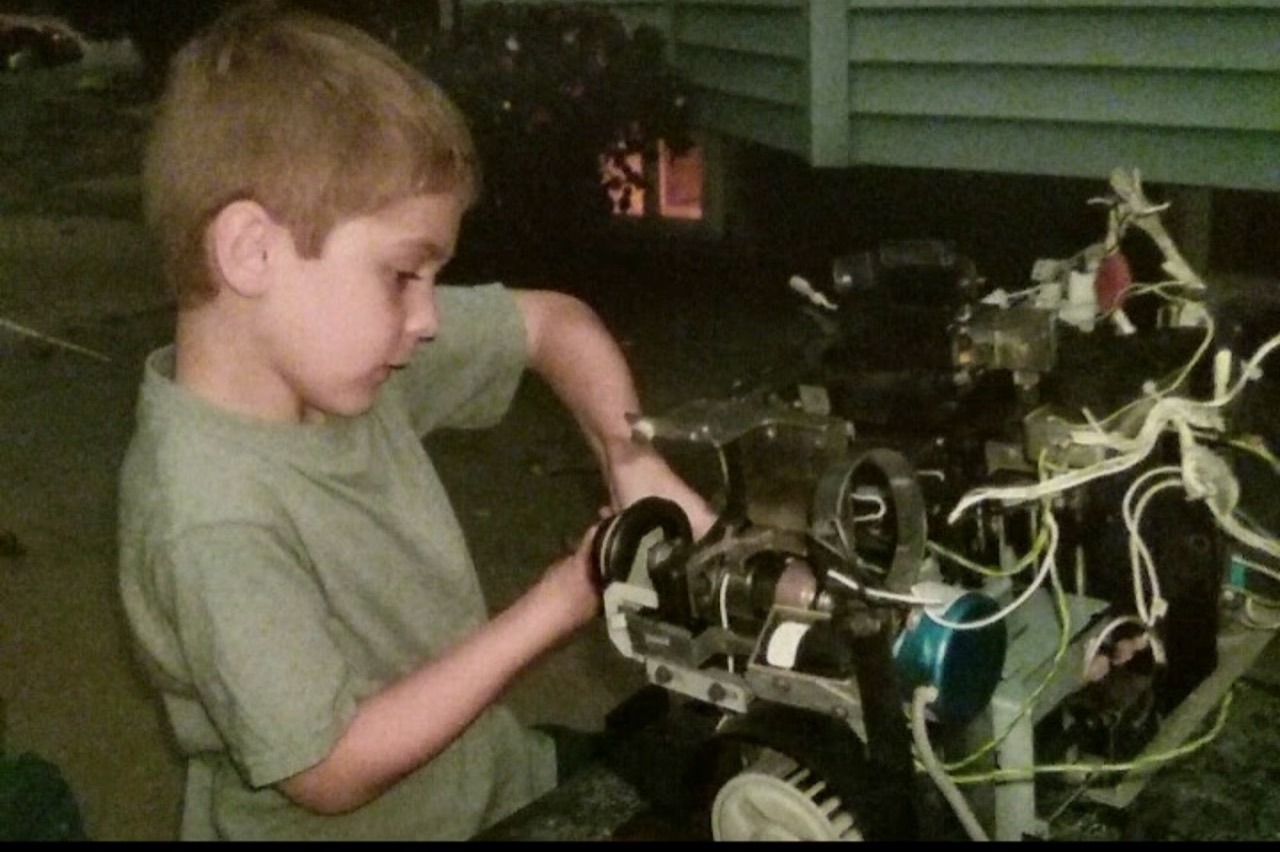
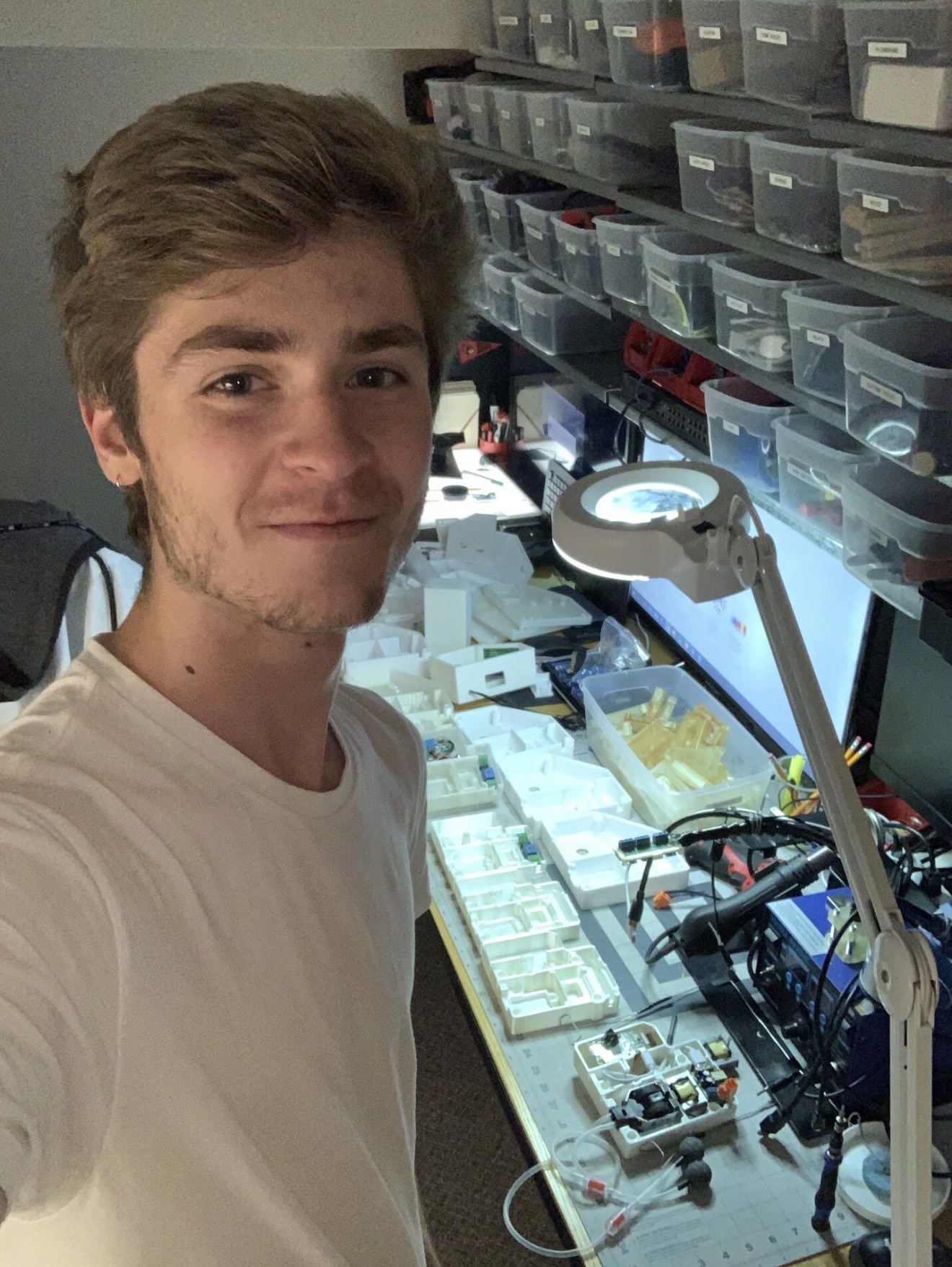
Electronics and fabrication became another path into technical problem-solving. Daniel developed extensive practice working with printed circuit boards, troubleshooting components, organizing an electronics bench, and iterating physical parts with a 3D printer. These were working skills rather than display pieces: assemble, inspect, revise, and try again.
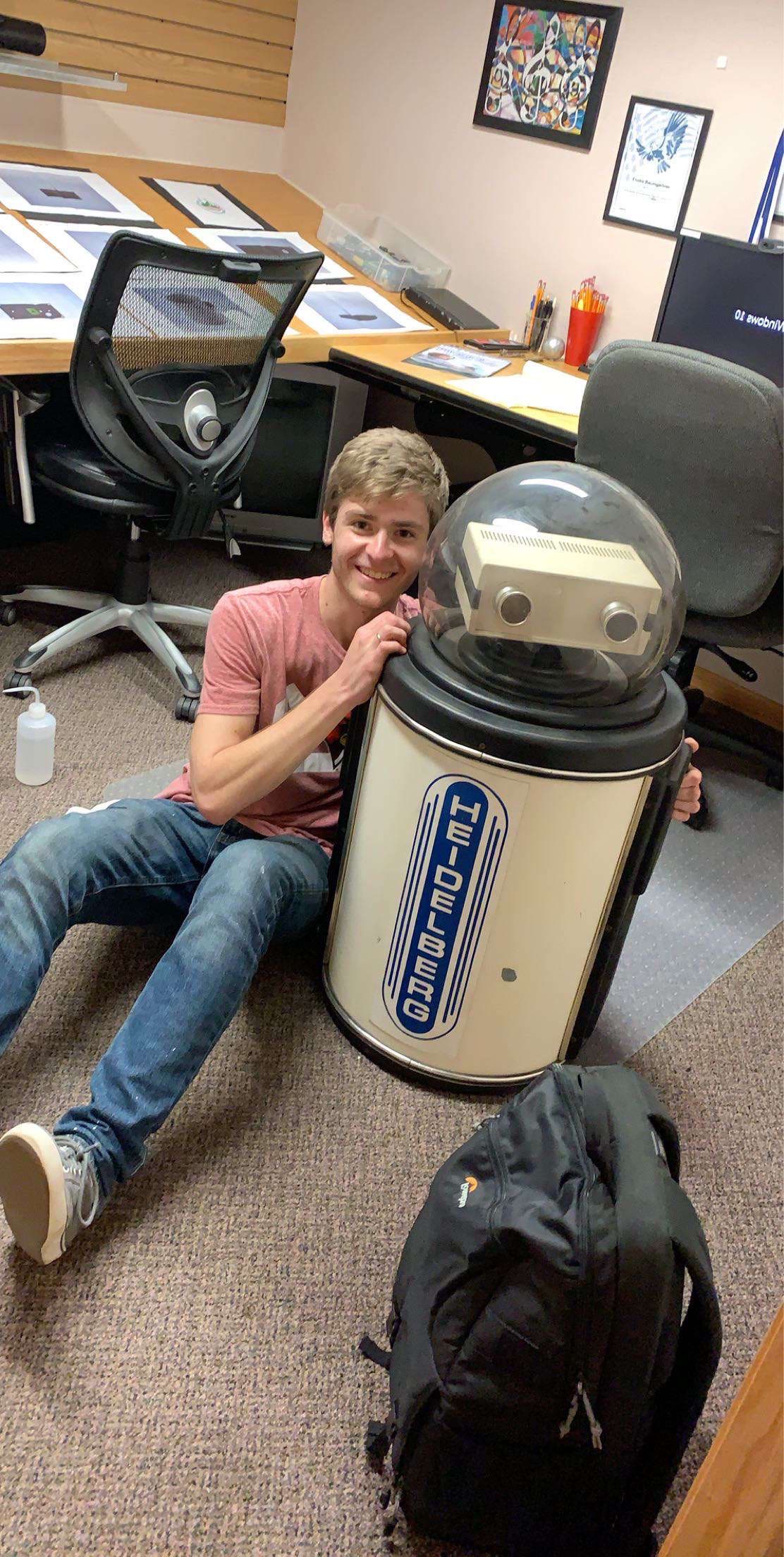
A robot built by Daniel’s father and given to him as a gift offered a memorable look at how sensing, control, mechanics, and personality could meet in one machine. That early interest now continues through embedded systems, local compute hardware, robotics, and human-machine interaction.
06
Habits that carried forward
Strength training reinforced a parallel kind of discipline: progress is cumulative, technique matters, and a durable result comes from repeated work. Daniel’s later projects follow a similar rhythm across very different fields—define a goal, observe the current system, change one layer at a time, and learn from the result.
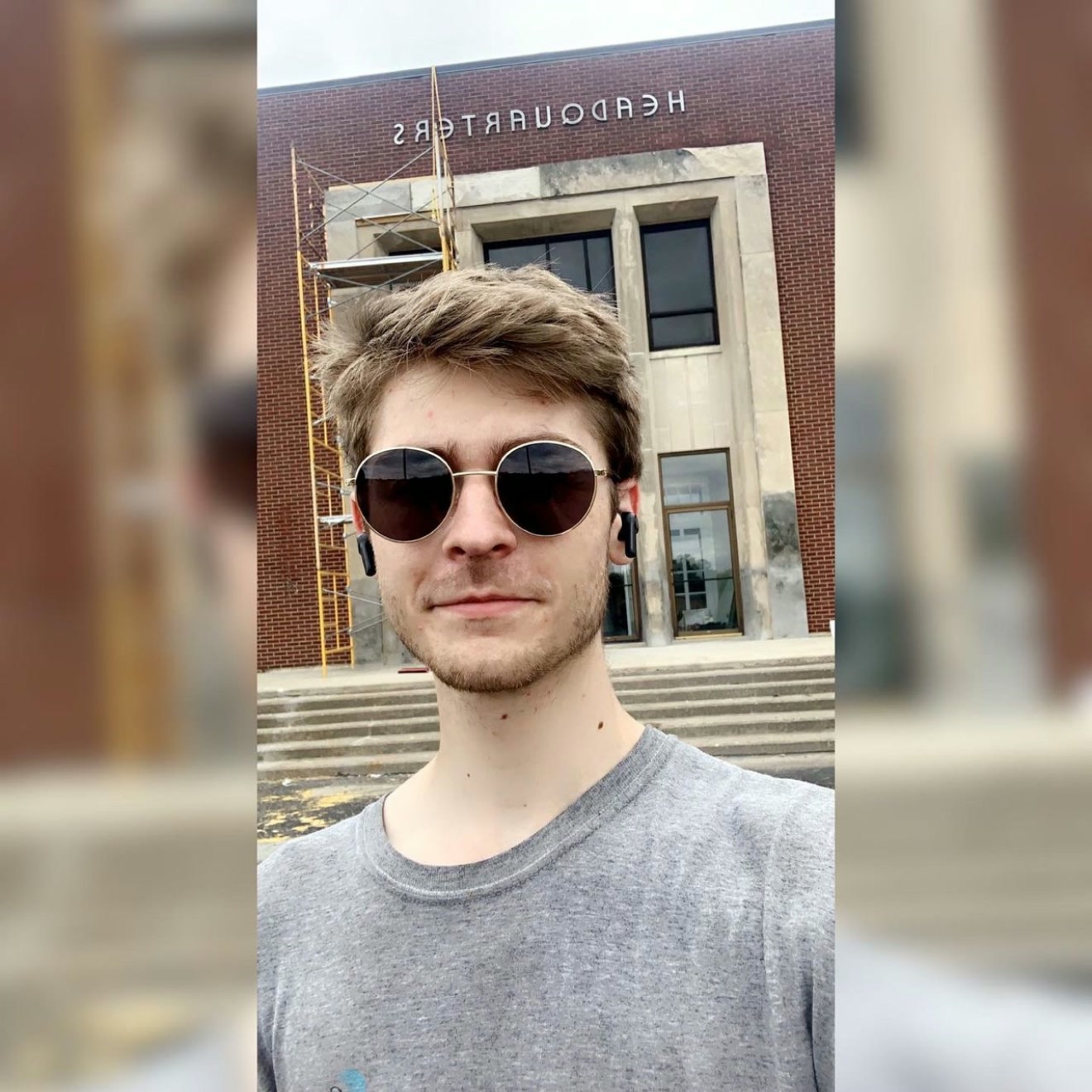
The photographs collected here document that formative period together. They show the academic, physical, electronics, and robotics interests that preceded Daniel’s professional work and remain part of how he approaches complex systems today.