01
Experimental and computational practice
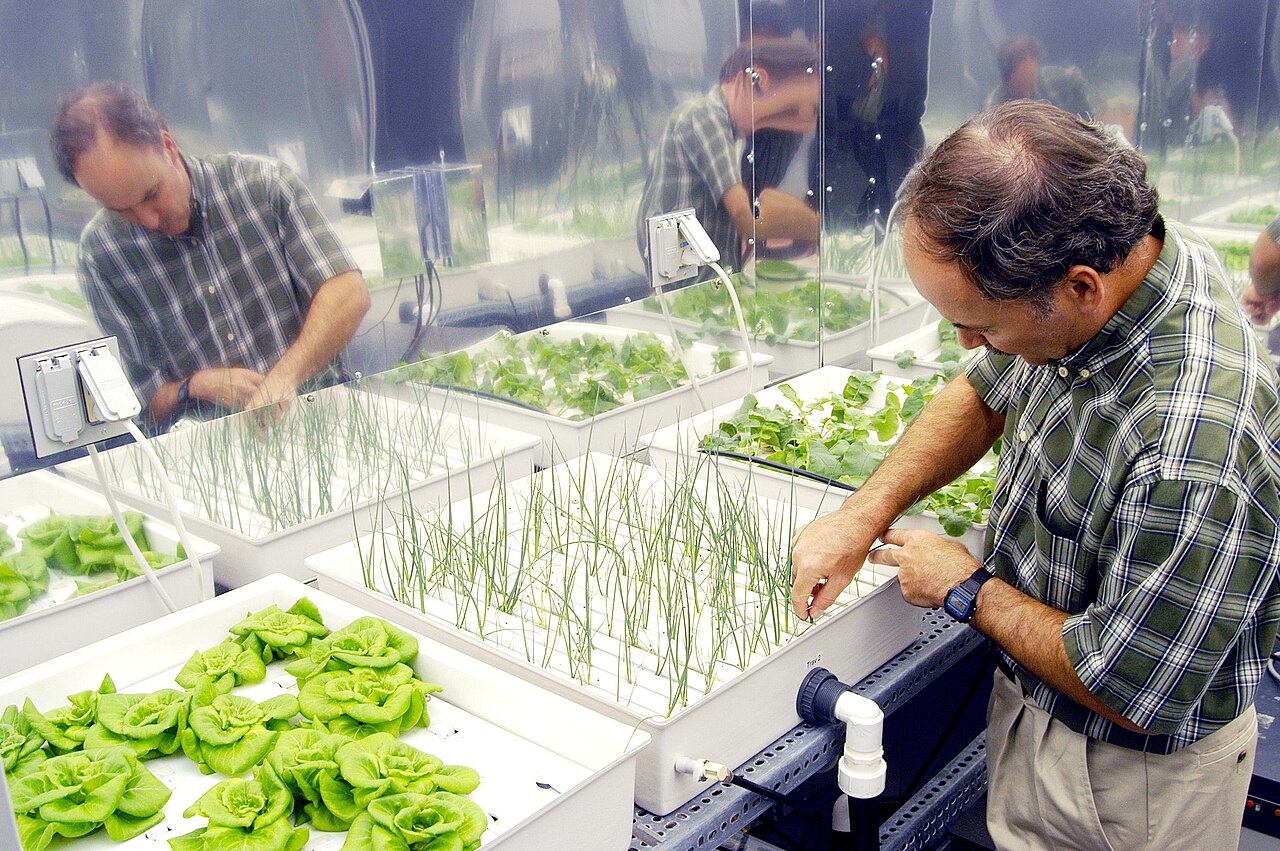
Daniel’s science record includes plant-growth experimentation, a scanning thermopower microscope theory project, a low-cost controlled-dosage pump prototype, laboratory process work, and software for structured data and visualization.
His broader interests include signal processing, simulation, resonance, probability, optimization, dynamical systems, chemistry, biotechnology, photonics, and physical-system modeling.
02
Laboratory experience
At Corbion, Daniel performed HPLC sampling, dry-weight calculations, sterile transfers in a laminar-flow hood, media sterilization, bioreactor assembly preparation, broth sampling, microbial plating, culture-morphology checks, and Master Batch Record work. He also maintained work areas and assisted with analytical-instrument troubleshooting.
During his tenure, Daniel maintained a zero-contamination record across his work, including test vessels.
03
Projects connect the disciplines
Plant-growth measurement, low-cost dosing, thermopower theory, and laboratory data systems connect experimental practice with engineering and software. Each project focuses on a specific barrier to dependable work: observation, control, interpretation, or traceability.
04
Measurement discipline
Across these subjects, useful evidence depends on calibration, controls, repeatable procedures, uncertainty, and records that connect an observation to the conditions under which it was made. Daniel’s interests in instrumentation and software are valuable because both can make those conditions easier to capture and inspect.
A plausible mechanism, a prototype, and a validated result are different kinds of knowledge. Daniel’s work treats those stages distinctly so that promising ideas can be developed without confusing exploration with finished validation.