01
Breadth with a systems focus
Daniel’s technical toolkit includes Python, JavaScript, TypeScript, JSX, C, C++, HTML, CSS, Bash, PowerShell, Dart, SQL, JSON, CSV, and YAML. Environments and tools include Linux, Ubuntu, Windows, macOS, React, Vite, Node.js, Flutter, PyTorch, NumPy, Git, GitHub, Docker, MQTT, WebSockets, REST APIs, and embedded development tooling.
He selects tools around the system being built, with the greatest depth at the intersections of research software, data, automation, local compute, and physical hardware.
02
Software tied to real domains
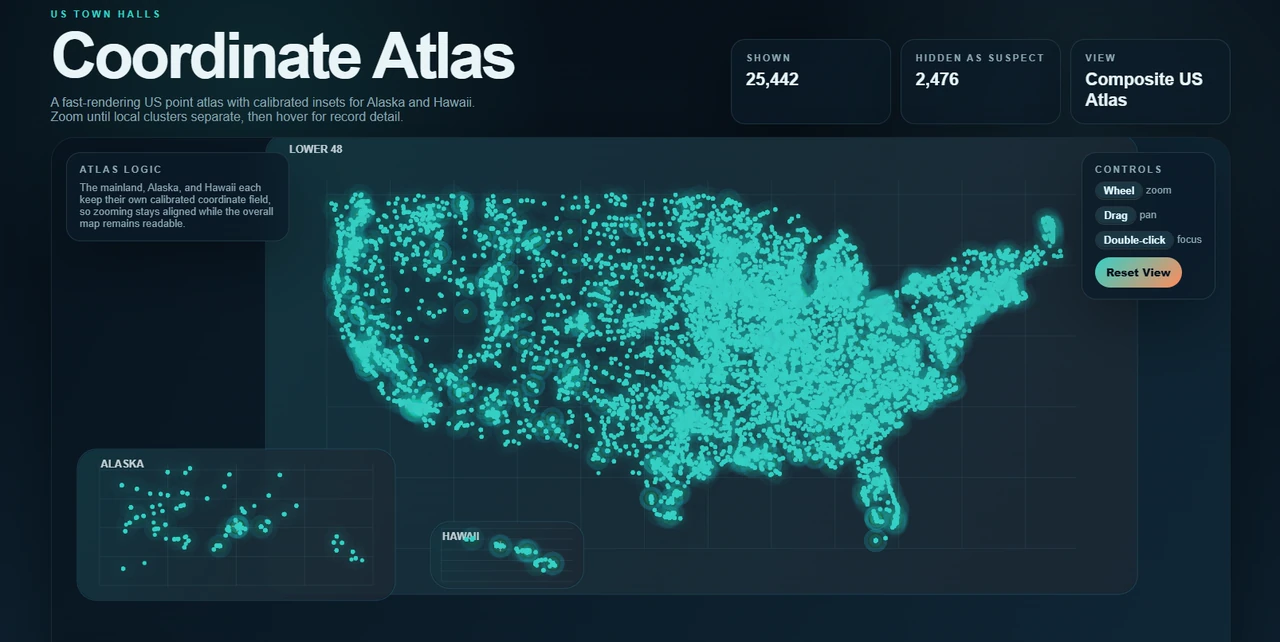
Public work includes geographic data visualization, GPU rendering, experimental 3D scenes, infrastructure data tooling, neural-system templates, and technical documentation. Professional and project work also connects software with laboratory records, sequence-analysis ideas, hardware control, and client-facing web concepts.
Daniel’s preferred software architecture exposes important transformations, preserves reproducibility, and makes failure states easier to locate.
03
Maintainability as a design constraint
Software becomes easier to trust when responsibilities are explicit, data contracts are documented, errors carry useful context, and small tests cover the transformations that matter most. Version control, reproducible setup instructions, and examples reduce the distance between a working experiment and work another person can maintain.
Daniel’s cross-domain background also shapes interface decisions. A useful research or operations tool should not require every user to understand its implementation, but it should make sources, status, important assumptions, and failure conditions visible instead of hiding them behind a polished screen.